
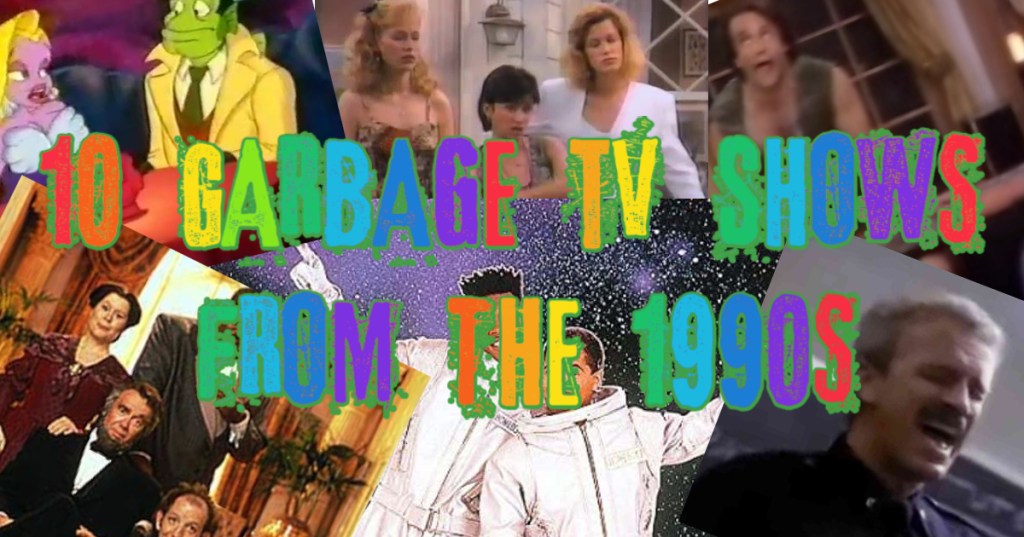
The 1990s were the last truly great decade in American culture. At least, that’s how I remember them. Every week seemed to deliver another album, movie, or television show worth talking about. The entertainment industry had money to burn, and sometimes it even spent that money wisely.
Of course, a booming industry can afford to make some spectacular mistakes. The production budget for a single show on this list probably exceeds everything I’ve earned in my entire life. And somebody put these things on national television.
To be fair, the decade also gave us Seinfeld, Mystery Science Theater 3000, Daria, The X-Files, Law & Order, and Twin Peaks. Television could be brilliant, daring, and weird. It could also be very, very stupid.
These ten shows belong firmly in the second category. The ’90s were a decade of slap bracelets, 1-900 numbers, and Urkel, when the public had to decide whether a new sensation would become the Vanilla Ice of the moment or the Vanilla Ice of two years later. These are the post-Vanilla Ice Vanilla Ice shows: expensive, misguided, and occasionally so ridiculous that their existence seems like a clerical error.
Woops! (1992)
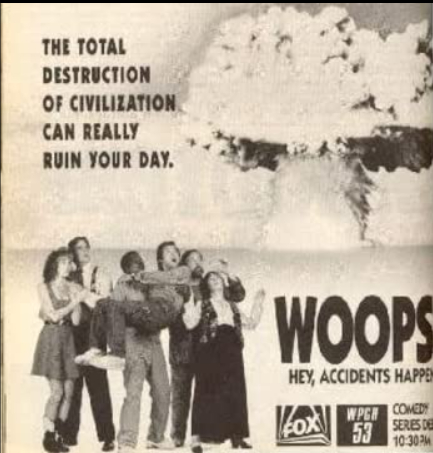
For all the decade’s optimism, the ’90s had a remarkably bleak streak. Grunge, industrial rock, and films like Pulp Fiction and Fight Club suggested that something rotten lurked beneath the prosperous surface. Naturally, someone decided this would make a terrific premise for a sitcom.
Woops! takes place after a nuclear apocalypse. A handful of survivors attempt to rebuild civilization while delivering jokes to a studio audience. That’s right: a wacky half-hour comedy set at the literal end of the world. Talk about a situation!
There’s a bickering couple, a scientist whose incompetence helped bring about the disaster, and an assortment of other survivors. Imagine Gilligan’s Island after somebody nuked the island. Now add a laugh track.
Unsurprisingly, audiences weren’t eager to spend their Sunday evenings watching the aftermath of nuclear annihilation. Woops! was critically mauled and lasted just 13 episodes. The premise might have worked as a one-off movie, or with the kind of tonal control The Last Man on Earth later managed. Here, the whole enterprise went up in smoke.
Cop Rock (1990)
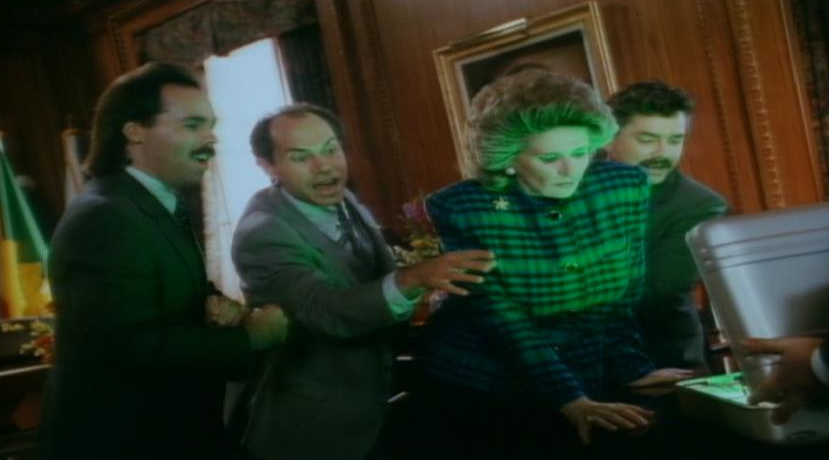
People love police procedurals. People also love musicals. Surely combining the two would produce something twice as lovable, right? Wrong. Spectacularly wrong.
Cop Rock takes the grim business of policing and periodically interrupts it with musical numbers. One minute, the detectives are investigating a crime; the next, they’re singing about it. It’s as though someone wandered into Hill Street Blues and shouted, “Five, six, seven, eight!”
Even stranger, the man responsible was Steven Bochco, the television heavyweight behind Hill Street Blues and L.A. Law. This wasn’t some desperate pitch from an unknown writer. A respected producer looked at gritty police drama and thought: needs choreography.
The result is complete cognitive dissonance. In one scene, prospective parents meet a baby merchant(!), and the exchange turns into a jaunty song about selling babies. The merchant sings, “I’m the Baby Merchant, Tots’R’Us/I give you all the service, and no damn fuss/Give the baby merchant just a week or two I’ll have your baby for you.” A human trafficker gets a cheerful tune. Wow.
Cop Rock lasted 11 episodes in the fall of 1990 before critics and audiences put it out of its misery. It has since acquired a certain camp reputation. Bochco reportedly called making it “the most fun I’ve ever had in my life,” which makes me feel sorry for him.
The Secret Diary of Desmond Pfeiffer (1998)
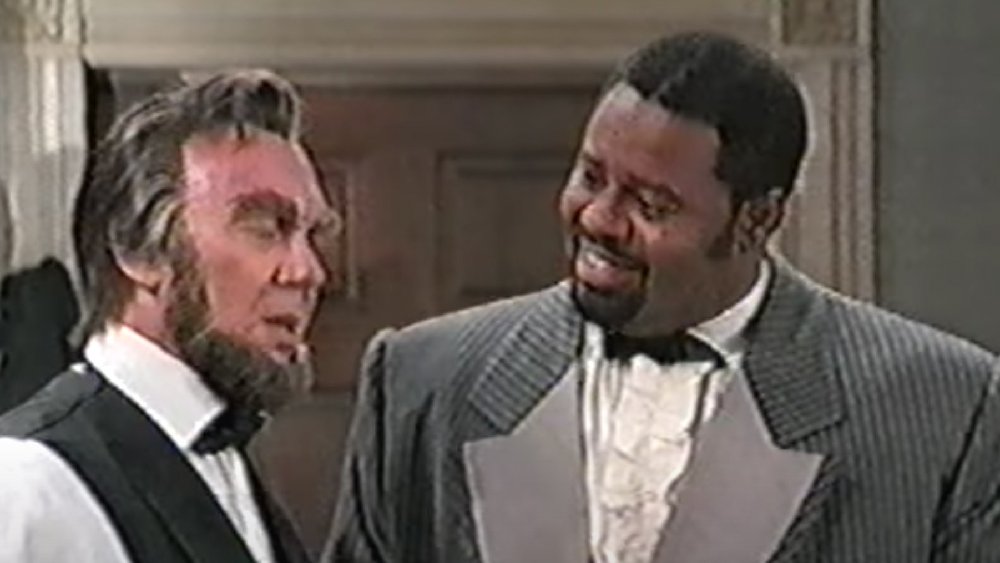
The 1990s were hardly a master class in handling race on television. For every step forward, there was another sitcom that mistook a terrible premise for edgy comedy. Then came The Secret Diary of Desmond Pfeiffer.
The title character is a Black English nobleman who ends up serving as Abraham Lincoln’s butler during the Civil War. The premise was controversial before the show even aired, in part because many viewers assumed Desmond was enslaved.
The actual setup didn’t make matters much better: Desmond is kidnapped and transported to America on a slave ship. Somehow, this is supposed to be funny. Add a buffoonish, lecherous Lincoln, and you’ve got a comedy that seems determined to offend without offering much of a joke in return.
UPN aired just four episodes in October 1998 before canceling it. The network was still trying to establish an identity, but Desmond Pfeiffer was a spectacularly bad way to go about it.
Tequila and Bonetti (1992)
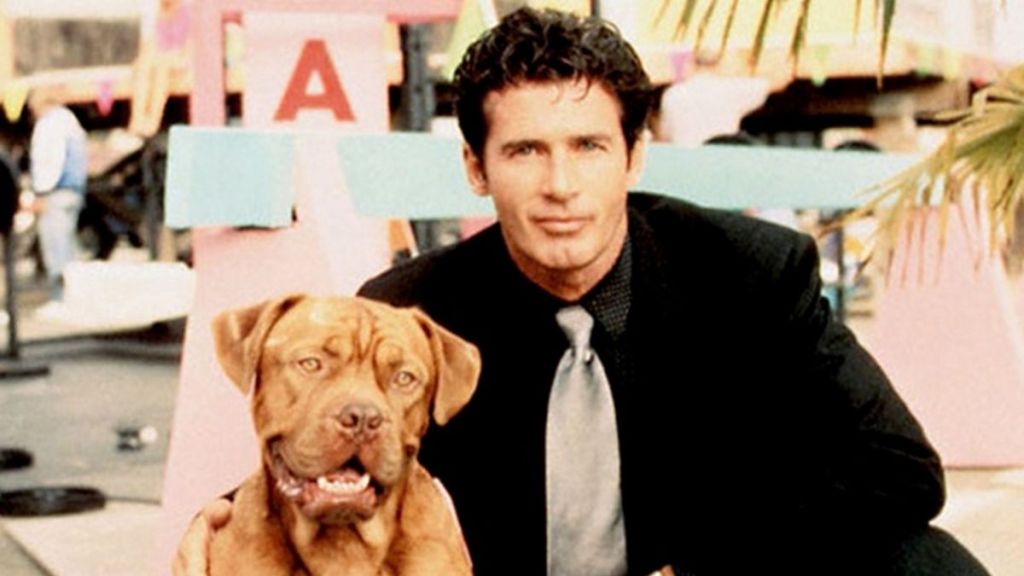
High-concept pitches were everywhere in the ’90s. A dad who can’t tell a lie! A theme park full of actual dinosaurs! And then, apparently, somebody pitched a police drama with a talking dog.
Tequila and Bonetti pairs a hard-nosed human detective, Bonetti, with Tequila, a wisecracking dog whose thoughts the audience can hear. Yes, the dog is Tequila. It sounds like a premise developed by an eight-year-old who had just discovered police shows.
The dog doesn’t actually move his mouth; his commentary arrives in voice-over while the humans carry on solving crimes. It’s an astonishing amount of effort to make a dog seem like an irritating roommate. Only 10 of the 12 completed episodes aired. The real mystery wasn’t whodunit. It was who greenlit it.
Homeboys in Outer Space (1996)
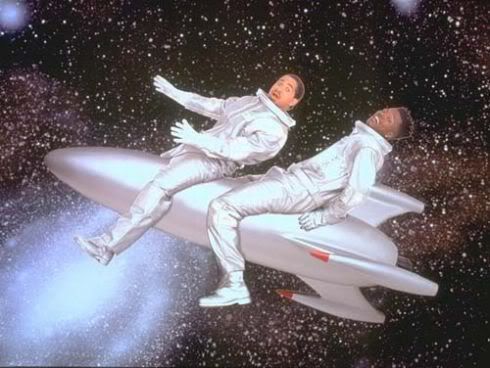
It’s difficult to believe a show called Homeboys in Outer Space made it past the title stage, but Touchstone Television produced it, and UPN aired 21 episodes between 1996 and 1997.
Like Desmond Pfeiffer, it was a UPN sitcom built around racial stereotypes that already felt tired when the show premiered. The network apparently thought it had discovered a bold new frontier. Unfortunately, that frontier was outer space.
Two spacefaring “homeboys” cruise the galaxy in a “Space Hoopty,” pursue alien women, worry about space rent, and take advice from a sassy computer named Loquacia. This is the actual show. Critics compared the result to Star Trek colliding with Amos ‘n’ Andy, and not in a flattering way.
Perhaps UPN needed programming badly enough to keep it around for a season. Whatever the explanation, Homeboys in Outer Space now sounds less like a forgotten sitcom than a fake title somebody invented to win a bar bet.
Muscle (1995)
Soap operas thrive on wealthy families, elaborate betrayals, and dramatic revelations. What if you squeezed all that into a half-hour comedy about a gym empire? Apparently, the answer was Muscle.
This 1995 WB series follows the ne’er-do-well son of a gym owner who has been poisoned. While trying to solve his father’s murder, he navigates a family business populated by schemers and lunatics. The show borrowed soap-opera plotting, complete with recaps, then added a laugh track and jokes that rarely landed. Imagine an unfunny Arrested Development that somehow missed the point before Arrested Development even existed.
The basic idea wasn’t new. The 1970s sitcom Soap had already demonstrated how to parody daytime melodrama. Rather than spend money on Muscle, the network could have rerun Soap and saved everybody some trouble.
The Trouble with Larry (1993)
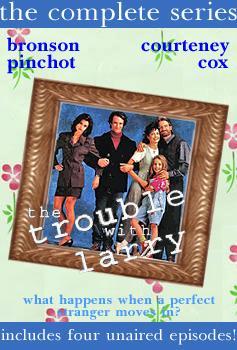
After Perfect Strangers, Bronson Pinchot tried to escape the long shadow of Balki Bartokomous with The Trouble with Larry. Unfortunately, the new character offered another opportunity for Pinchot to be relentlessly quirky, this time without much reason for viewers to care.
The setup involves Larry returning to a life that has moved on without him. That could have supported a genuinely strange, uncomfortable comedy. Instead, the show leans on frantic behavior, broad reactions, and the assumption that Pinchot being Pinchot is a sufficient punchline.
The result feels like an ’80s sitcom that wandered into 1993 and refused to update its act. It was canceled quickly, leaving behind very little reason to miss it.
Fish Police (1992)
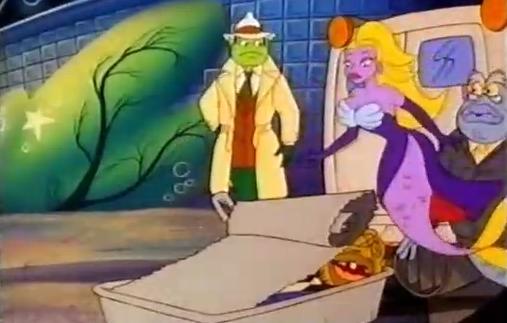
The Simpsons proved that animation could thrive in prime time without being aimed at children. Naturally, the networks responded by commissioning cartoons that seemed to misunderstand everything that made The Simpsons work. Enter Fish Police.
The series follows a hard-boiled fish detective investigating crimes in an underwater world full of aquatic suspects. Trench coats, fedoras, noir clichés—the whole business. Gill noir, if you will.
If that pun made you groan, congratulations: you’ve experienced the essential appeal of Fish Police. The show is stuffed to the gills with aquatic wordplay, while its child-friendly-looking animation clashes with its adult aspirations. CBS aired just three of the six produced episodes before flushing the whole thing down the toilet.
Down The Shore (1992)
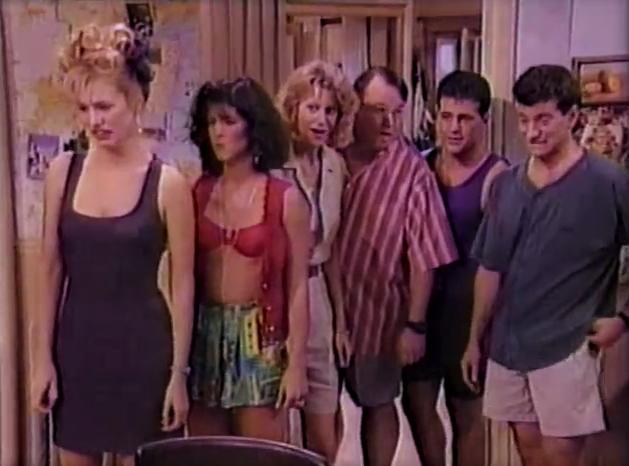
Listen: I spent more than 20 years living at the Jersey Shore, in one of the towns people picture when they hear those words. The boardwalk, the summer crowds, the salt air—I know the place. I also know how much year-round residents resent being represented by the obnoxious tourists who descend every summer, particularly after MTV turned that stereotype into a national phenomenon.
Long before MTV’s Jersey Shore, there was Down the Shore, a 1992 sitcom about friends working at a New Jersey beach resort. Unlike its reality-TV successor, the problem wasn’t that the characters were outrageous. It was that they were bland. Set in Belmar and featuring a young Anna Gunn, the show seemed designed for the very narrow audience that already spent its summers there.
It ran for 29 episodes across two seasons—or, more realistically, one television year, from June 1992 to May 1993. You can still find episodes online. I cannot imagine why you’d want to.
The Powers That Be (1992)
Who likes politicians? Not their policies or party affiliations—the actual people. I’d wager the list is pretty short. Manipulation, greed, and naked ambition are practically occupational requirements. Naturally, someone decided this was fertile ground for a sitcom.
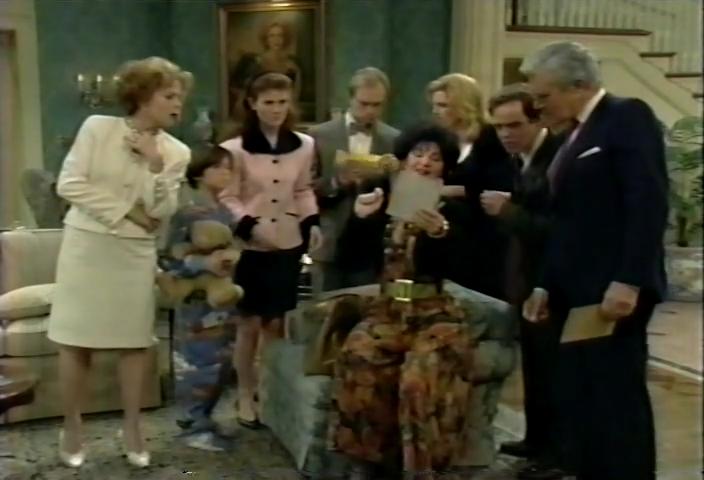
The Powers That Be centers on Senator William Powers, a career politician who cheats on his wife and schemes to cling to office. And it’s a comedy! You can tell because somebody added canned laughter.
Illegitimate children, miserable relatives, slimy aides, jealousy, and political backstabbing fill out the proceedings. But why would anybody want to relax after a long day by watching fictional politicians behave like real politicians? We already get enough of that garbage for free.
A cynical little sour note in a supposedly upbeat decade, The Powers That Be survived two brief seasons before being impeached from its time slot.


Leave a Reply